Data Science Core Facility
The WV-INBRE Data Science Core provides access to cutting-edge AI platforms and computational tools for biomedical research. We specialize in multi-omics analysis, single-cell data translation, and biological network analysis through our partnership with leading computational biology platforms.
Core Services
WV-INBRE Online Training Modules
Access hands-on training modules covering Linux, R programming, Python for bioinformatics, RNA sequencing analysis, HPC clusters, and other computational biology and data science topics designed for biomedical researchers across the WV-INBRE network.
Full-Service Workflow
Initial Consultation
Meet with Data Science Core staff to formulate experimental design and discuss computational needs
1-2 meetingsProject & Grant Planning
Receive expected outcomes, cost quote, and estimated time to completion for analysis
Within 1 weekService Execution
Core performs data analysis, AI/ML modeling, or provides computational resources
Varies by projectData Review
Core staff meets with investigator to review results, interpret findings, and address concerns
1-2 meetingsAI Platforms & Tools

G2PDeep Platform
AI PlatformMulti-omics phenotype prediction and marker discovery using deep learning

crossMP Platform
AI PlatformCross-modality translation between single-cell RNA-seq and single-cell ATAC-seq data

KBCommons
Knowledge BaseKnowledge Base Commons for biological data integration, sharing, and community-driven annotation

IRNet
Network Analysis ToolInteraction Network analysis tools and databases for regulatory and protein networks
Data Science Personnel

Dr. Mohit Verma
Director, Data Science Core
Marshall University
vermam@marshall.edu

Dr. Mohammad Vahed
Co-Director, Data Science Core
Marshall University
vahed@marshall.edu
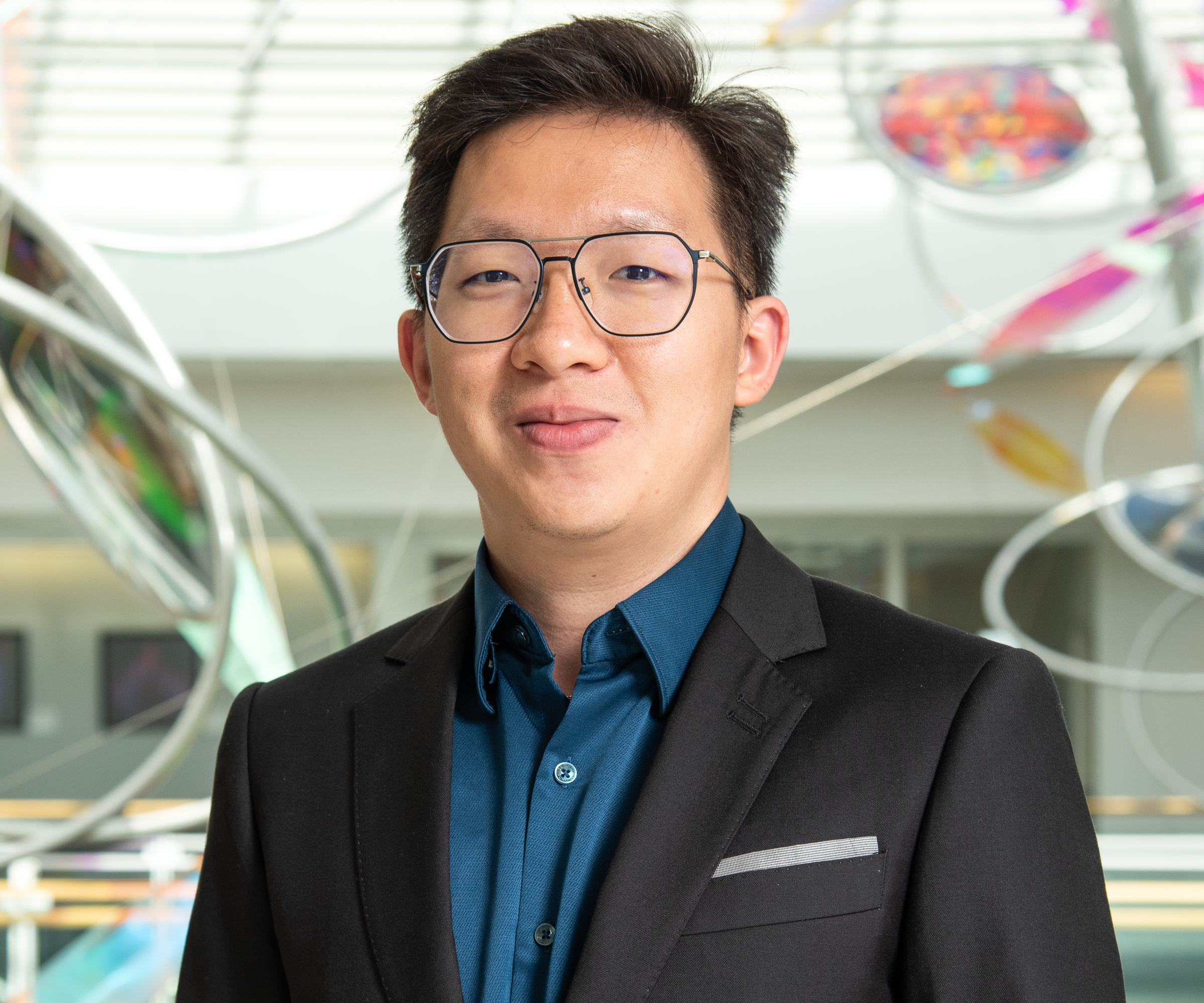
Dr. Yen On Chan
Postdoctoral Research Scientist
Marshall University
chany@marshall.edu

Dr. Zhen Lyu
Postdoctoral Research Scientist
Marshall University
lyuz@marshall.edu

Sabin Dahal
Software and Web Developer
Marshall University
dahals@marshall.edu
Collaborating Faculty

Dr. Alejandro Nato
Associate Professor
Marshall University
nato@marshall.edu

Dr. Nicole Garrison
Assistant Professor
West Liberty University
nicole.garrison@westliberty.edu

Dr. Michael Gangqing Hu
Assistant Professor
West Virginia University
michael.hu@hsc.wvu.edu
Publication Requirements
When publishing results derived from Data Science Core services, please include the following acknowledgments:
- •Please acknowledge the Data Science Core Facility
- •Please acknowledge the Bioinformatics Core Facility
- •Cite the WV-INBRE grant: P20GM103434

Supported by the National Institutes of Health (NIH)